
Dry Dock Ship Repair — Scope of Work, Costs & Best Practices
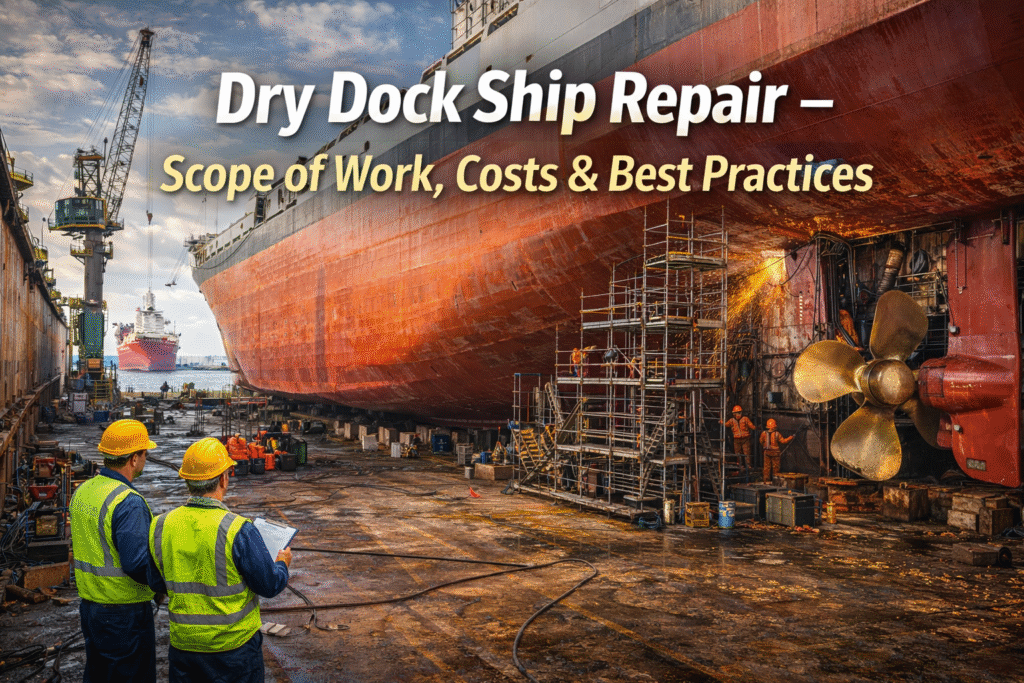
Dry dock ship repair is a critical activity in a vessel’s lifecycle where structural, mechanical, and propulsion-related issues are addressed in a controlled environment. Unlike routine onboard maintenance, dry dock repair allows full access to the hull and underwater systems, making it the most effective phase for executing complex and heavy repairs. From a marine engineering perspective, dry dock repair is not just about fixing visible damage. It is about restoring vessel integrity, ensuring regulatory compliance, improving operational efficiency, and preventing future failures. This guide explains the typical scope of dry dock ship repair, key cost drivers, and best practices followed by experienced marine engineering teams. What Is Dry Dock Ship Repair Dry dock ship repair refers to corrective and renewal work carried out when a vessel is taken out of the water and positioned in a dry dock facility. Once dewatered, engineers can inspect, repair, and replace components that are otherwise inaccessible during normal operation. Dry dock repairs are typically carried out: Effective repair planning during dry dock directly affects vessel reliability and downtime. Understanding the dry docking process helps vessel owners plan repair scope, timelines, and resource allocation more effectively. Typical Scope of Work in Dry Dock Ship Repair The scope of repair work varies based on vessel type, age, operating conditions, and regulatory requirements. Effective dry dock ship maintenance planning ensures that repair activities are executed efficiently without unnecessary delays or cost escalation. However, most dry dock ship repair projects include the following areas. Hull and Structural Repairs Common Hull Repairs Hull repairs restore strength and prevent progressive corrosion damage. Inspection Activities Propulsion System Repairs Propulsion-related repairs form a major part of dry dock ship repair. Dry dock repair is the most suitable time to carry out comprehensive propulsion system maintenance, including inspection of shafts, bearings, and propellers. Propellers Timely propeller repair during dry dock helps eliminate vibration issues and restores propulsion efficiency. Shafting and Stern Gear Neglecting propulsion repairs during dry dock often results in vibration and early bearing failures. Main Engine and Machinery Repairs Dry dock provides an opportunity to carry out repairs that are difficult or risky at sea. Dry dock periods are ideal for planned marine engine overhaul, allowing major repairs to be completed safely and efficiently. Main Engines Auxiliary Machinery Machinery reliability after dry dock depends on repair quality and proper testing. Steering Gear and Rudder Repairs Steering failures can compromise vessel safety. Typical Repairs These repairs are best handled when the vessel is fully accessible in dry dock. Tank Repairs and Internal Structure Work Ballast and Fuel Tanks Void Spaces Tank repairs are often overlooked but critical for long-term vessel integrity. Coating and Surface Protection Repairs Coating work protects the vessel from corrosion and fouling. Repair Scope Quality coating work directly impacts fuel efficiency and hull life. Key Cost Factors in Dry Dock Ship Repair Understanding repair cost drivers helps vessel owners plan budgets effectively. Major Cost Influencers Unexpected findings during inspection often increase repair costs. Common Reasons Dry Dock Repair Costs Escalate Proper engineering planning reduces financial surprises. Best Practices for Successful Dry Dock Ship Repair Plan Repairs Well in Advance Early planning allows accurate scope definition, spare parts procurement, and coordination with class surveyors. Performing vibration analysis after dry dock repair confirms correct alignment, balance, and installation quality. Define Repair Scope Clearly A well-defined scope avoids confusion and prevents uncontrolled work additions during docking. Use Qualified Marine Engineering Teams Experienced engineers ensure repairs are executed to correct tolerances and standards. Maintain Quality Control Regular inspections during repair work help identify issues early and maintain repair quality. Conduct Thorough Post-Repair Testing Alignment checks, leak tests, and functional trials must be completed before vessel re-entry into service. Dry Dock Ship Repair vs Routine Maintenance Aspect Dry Dock Repair Routine Maintenance Vessel condition Out of water In service Repair scope Structural and heavy repairs Minor servicing Accessibility Full access Limited Cost Higher Lower Impact Long-term reliability Short-term operation Both are necessary, but dry dock repair plays a decisive role in vessel longevity. When Should Dry Dock Ship Repair Be Scheduled Repair work should be planned when: Delaying repairs often increases total lifecycle costs. Precision laser alignment during reinstallation reduces bearing loads and prevents premature propulsion failures. How Professional Dry Dock Repair Adds Value Professionally executed dry dock repairs result in: Quality repairs protect both safety and investment. Conclusion Dry dock ship repair is a complex engineering activity that requires detailed planning, skilled execution, and strict quality control. Addressing structural, propulsion, and machinery issues at the right time prevents escalation and ensures reliable vessel operation. By following best practices and engaging experienced marine engineering support, dry dock repair becomes a strategic investment rather than a reactive expense.
Dry Dock Ship Maintenance — A Complete Engineering Checklist
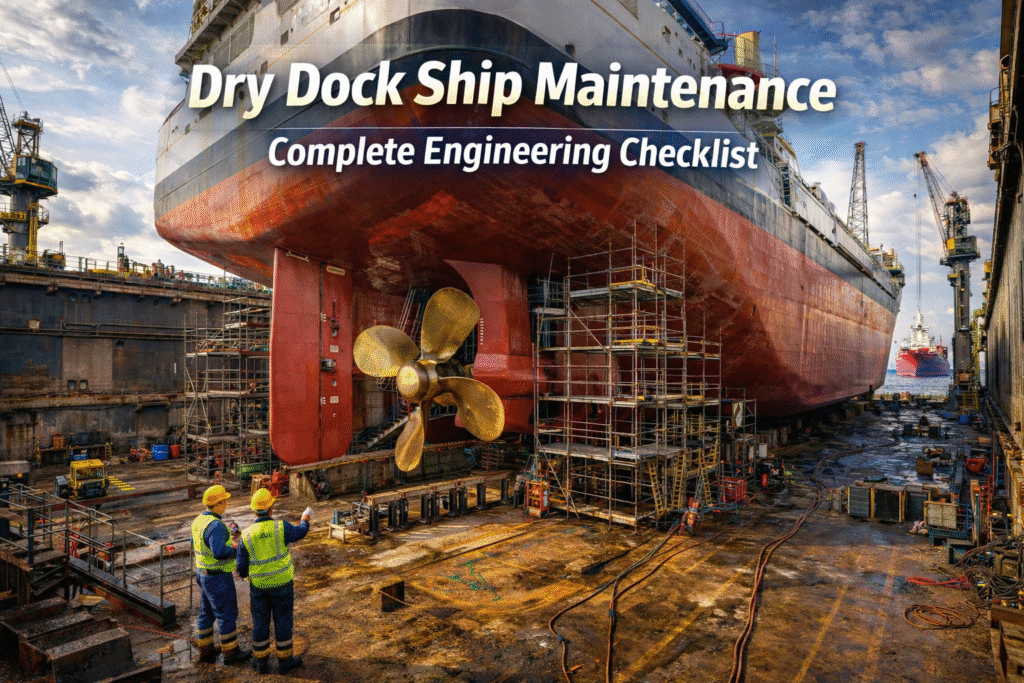
Dry dock ship maintenance is one of the most critical phases in a vessel’s operational lifecycle. It is the only time when the hull, underwater systems, propulsion components, and structural elements are fully accessible for inspection, repair, and renewal. From an engineering perspective, dry docking is not just about compliance. It is about restoring efficiency, preventing failures, controlling long-term costs, and ensuring vessel safety. This checklist-driven guide explains what needs to be maintained before, during, and after dry docking, based on real marine engineering practices. Why Dry Dock Ship Maintenance Is So Important Every vessel operating at sea is continuously exposed to corrosion, fouling, mechanical stress, and wear. Over time, even minor issues develop into major failures if left unaddressed. Understanding the dry docking process is essential to ensure that ship maintenance activities are planned, executed, and verified correctly during a scheduled dock period. Proper dry dock maintenance helps to: Well-planned dry dock maintenance directly impacts vessel availability and operating costs. Pre-Dry Dock Maintenance Checklist Planning before the vessel enters dry dock is the most important phase. Poor preparation often leads to delays, cost overruns, and incomplete work. Hull and Structural Preparation Machinery and Propulsion Planning Documentation and Class Requirements Dry Dock Hull Maintenance Checklist Once the vessel is docked and dewatered, hull inspection and treatment become the first priority. Hull Inspection Hull Cleaning and Surface Preparation Coating and Protection A well-maintained hull can improve fuel efficiency by a significant margin. Propulsion System Maintenance Checklist Dry docking provides full access to propulsion systems, making this the ideal time for inspection and corrective work. Propellers Early identification of propeller damage and repair requirements during dry dock helps prevent vibration issues and propulsion inefficiencies once the vessel returns to service. Shafting and Bearings Precision laser alignment during dry dock reduces bearing loads, seal wear, and long-term propulsion system stress. Thrusters and Waterjets Ignoring propulsion maintenance during dry dock often leads to vibration and premature failures later. Main Engine and Auxiliary Maintenance Checklist Main Engines Auxiliary Systems Dry docking allows heavy maintenance without operational pressure. Dry dock periods are ideal for planned marine engine overhaul, allowing major maintenance work without operational pressure. Steering Gear and Rudder Maintenance Checklist Steering system reliability is critical for vessel safety and maneuverability. Tank and Internal Structure Maintenance Ballast and Fuel Tanks Void Spaces Tank maintenance is often overlooked but critical for structural integrity. Electrical and Safety System Maintenance Dry dock is the safest environment for electrical inspections. Post-Dry Dock Checks Before Sailing Before the vessel is refloated and returns to service, final checks are essential. Conducting vibration analysis after dry dock maintenance ensures that alignment, balancing, and machinery installation have been executed correctly. Sea trials validate the quality of dry dock maintenance. Common Dry Dock Maintenance Mistakes to Avoid Avoiding these mistakes saves time and cost in the long run. How Professional Dry Dock Maintenance Adds Value Professional dry dock execution ensures: Engineering-driven maintenance always outperforms reactive repairs. Conclusion Dry dock ship maintenance is not just a routine requirement. It is a strategic opportunity to restore vessel performance, prevent failures, and extend service life. A structured checklist approach ensures that no critical system is overlooked and that the vessel returns to service in optimal condition. With experienced marine engineering support, dry dock maintenance becomes a long-term investment rather than an operational disruption.
EMD Marine Engine Repair & Service — Maintenance, Failures & Overhaul
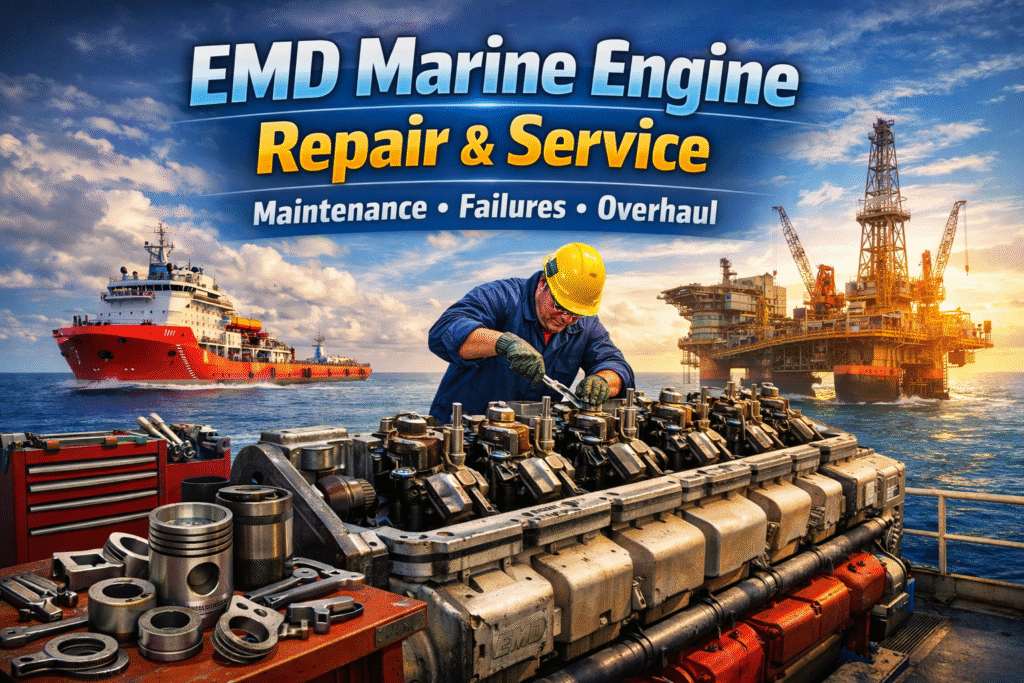
Electro-Motive Diesel (EMD) engines are widely used in marine propulsion and power generation applications where reliability, high load endurance, and long operating cycles are required. These engines are commonly found in offshore vessels, tugs, defense platforms, and power barges operating under demanding conditions. Despite their rugged design, EMD marine engines require structured maintenance, accurate diagnostics, and timely overhaul to deliver consistent performance over long service lives. From a marine engineering perspective, most EMD engine failures are progressive and preventable when detected early. At NASS Engineering Services Pvt. Ltd., we provide professional EMD marine engine repair, servicing, and overhaul support for vessels operating globally. Overview of EMD Marine Engines EMD marine engines are medium-speed, two-stroke or four-stroke diesel engines designed for continuous-duty marine environments. Key Characteristics These engines are engineered for reliability but are highly sensitive to fuel quality, lubrication condition, and alignment accuracy. Typical Applications of EMD Marine Engines EMD engines are commonly used in: These applications expose engines to variable loads, frequent starts and stops, and extended operating hours. Importance of Structured Maintenance for EMD Engines Routine maintenance is critical for preventing progressive wear and avoiding unplanned shutdowns. Daily and Routine Checks Consistent monitoring helps identify early warning signs before mechanical damage occurs. Scheduled Maintenance Requirements Fuel System Maintenance Fuel injectors and pumps must be inspected and calibrated at defined intervals. Poor fuel quality or delayed injector servicing leads to: Lubrication System Maintenance Lubrication failures are among the most common causes of major EMD engine damage. Key maintenance actions include: Clean and stable lubrication significantly extends bearing and crankshaft life. Cooling System Maintenance Cooling efficiency directly affects engine reliability. Maintenance activities include: Overheating accelerates wear and increases the risk of bearing and piston damage. Common Failure Modes in EMD Marine Engines Even well-maintained engines can develop faults over time. Understanding these failure modes helps prevent escalation. Bearing Wear and Failure Primary Causes Warning Signs Bearing failures often begin gradually and become catastrophic if ignored. Fuel Injection System Issues Primary Causes Warning Signs Early injector servicing prevents piston crown damage. Cooling-Related Failures Primary Causes Warning Signs Vibration and Alignment Problems Primary Causes Warning Signs Alignment issues often originate outside the engine but cause internal damage over time. EMD Engine Overhaul — What It Involves Top Overhaul A top overhaul typically includes: Top overhauls restore combustion efficiency and prevent deeper mechanical damage. Major Overhaul A major overhaul includes: Major overhauls must follow OEM specifications and documented clearances. Role of Diagnostics in EMD Engine Reliability Modern maintenance relies heavily on predictive diagnostics. Key Diagnostic Tools These tools allow maintenance to be planned rather than reactive. Spare Parts and Quality Considerations Using incorrect or sub-standard spare parts results in: EMD engines require precision-manufactured components to maintain performance and reliability. When to Schedule EMD Engine Repair or Overhaul Typical indicators include: Timely intervention significantly reduces repair costs. How NASS Engineering Supports EMD Marine Engines NASS Engineering Services Pvt. Ltd. provides: Our engineers follow structured procedures aligned with ISO-certified quality standards. Conclusion EMD marine engines are built for durability, but their reliability depends on disciplined maintenance, accurate diagnostics, and timely overhaul. Most failures develop progressively and can be avoided through early detection and professional servicing. With proven experience in EMD engine repair and overhaul, NASS Engineering Services Pvt. Ltd. supports vessel operators with reliable, technically sound marine engineering solutions.
Propeller Blade Damage — Causes, Detection & Repair Techniques Explained
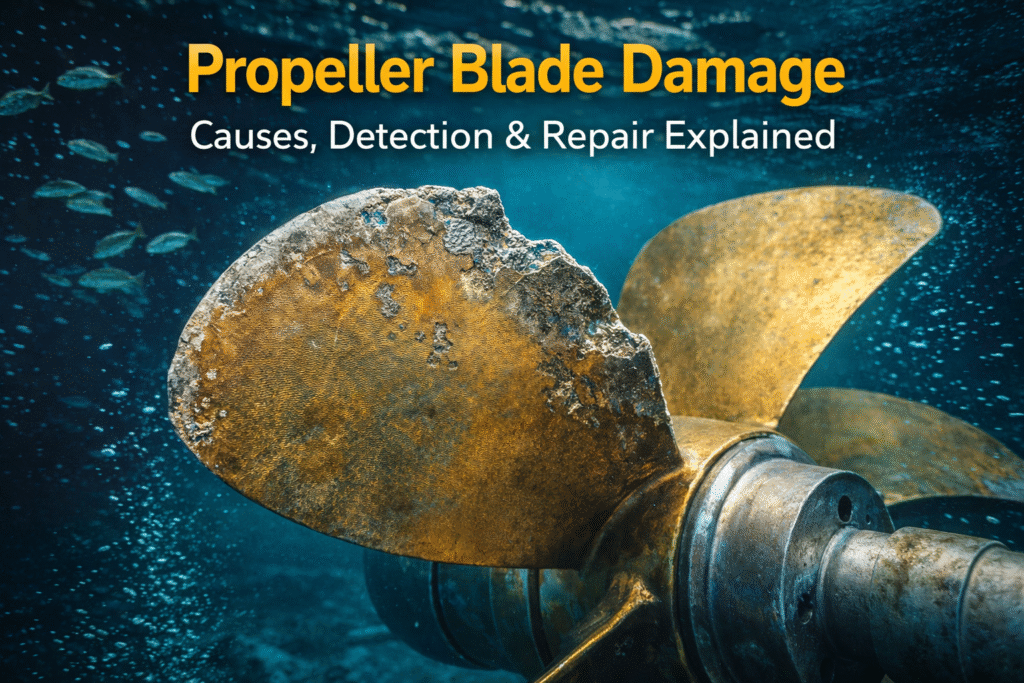
Propeller blades are among the most highly stressed components of any marine propulsion system. They operate continuously under heavy load, variable speeds, corrosive seawater, and unpredictable underwater conditions. Even minor blade damage can significantly reduce vessel efficiency, increase fuel consumption, generate vibration, and accelerate wear in shafts, bearings, and gearboxes. From a marine engineering and research perspective, understanding why propeller blades fail, how damage develops, and when repair is required is critical for safe and efficient vessel operation. At NASS Engineering Services Pvt. Ltd., propeller inspection, reconditioning, and repair form a key part of our propulsion system services during dry docking and operational maintenance. Why Propeller Blade Condition Is So Critical A propeller converts engine power into thrust. Any deviation in blade shape, balance, or surface condition directly affects propulsion efficiency. Damaged propellers can cause: In severe cases, propeller damage can compromise vessel safety. Common Types of Propeller Blade Damage Marine research and field experience show that propeller damage typically falls into the following categories. 1. Cavitation Damage Cavitation occurs when pressure drops around the blade surface cause vapor bubbles to form and collapse violently. Causes Effects Cavitation damage often appears first near the blade trailing edge. 2. Impact Damage Propellers frequently strike: Effects Impact damage must be addressed immediately to prevent further structural failure. 3. Corrosion & Erosion Seawater is highly corrosive, especially in polluted or high-salinity regions. Causes Effects Corrosion accelerates fatigue and crack formation. 4. Fatigue Cracking Repeated cyclic loading leads to metal fatigue over time. Common Locations Fatigue cracks can propagate silently and lead to blade failure if not detected early. 5. Improper Pitch or Blade Deformation Incorrect blade pitch or deformation causes uneven load distribution. Consequences This is particularly critical in CPP (Controllable Pitch Propeller) systems. How Propeller Damage Is Detected 1. Visual Inspection During dry docking, blades are checked for: However, visual inspection alone is not enough. 2. Vibration Analysis Damaged blades cause: Vibration monitoring often detects propeller issues before visible signs appear. 3. Non-Destructive Testing (NDT) Common NDT methods include: These detect surface and near-surface cracks invisible to the naked eye. 4. Pitch & Geometry Measurement Blade pitch and geometry are measured to confirm compliance with OEM specifications. Effects of Ignoring Propeller Damage Failing to repair propeller damage leads to: Marine studies show that damaged propellers can increase fuel consumption by 5–15%. Propeller Repair Techniques Used in Marine Engineering 1. Blade Straightening Bent blades are carefully reshaped using controlled mechanical and thermal methods. 2. Surface Reconditioning Grinding and polishing restore blade profile and smoothness, reducing cavitation risk. 3. Crack Repair Cracks are repaired using certified welding techniques followed by stress relief and inspection. 4. Pitch Adjustment For CPP systems, blade pitch is recalibrated to ensure uniform thrust distribution. 5. Dynamic Balancing Balancing ensures smooth rotation and eliminates vibration caused by mass imbalance. When Should a Propeller Be Repaired or Replaced? Repair Is Suitable When Replacement Is Required When Professional evaluation determines the safest option. CPP vs FPP — Propeller Damage Considerations CPP Systems FPP Systems Both systems demand expert handling. How NASS Engineering Handles Propeller Repair NASS Engineering provides: Our marine engineers follow OEM-approved repair procedures and international quality standards. Best Practices to Prevent Propeller Damage Marine research and operational experience recommend: Prevention always costs less than repair. Conclusion — Healthy Propellers Mean Efficient Vessels Propeller blade condition directly impacts vessel efficiency, safety, and operating costs.Understanding damage mechanisms and addressing issues early ensures reliable propulsion and long service life. With specialized expertise in propulsion systems, NASS Engineering Services Pvt. Ltd. supports vessel owners with professional propeller inspection, repair, and overhaul services across marine, offshore, and defence sectors.
Caterpillar 3412 Marine Engine — Specifications, Maintenance & Common Failures
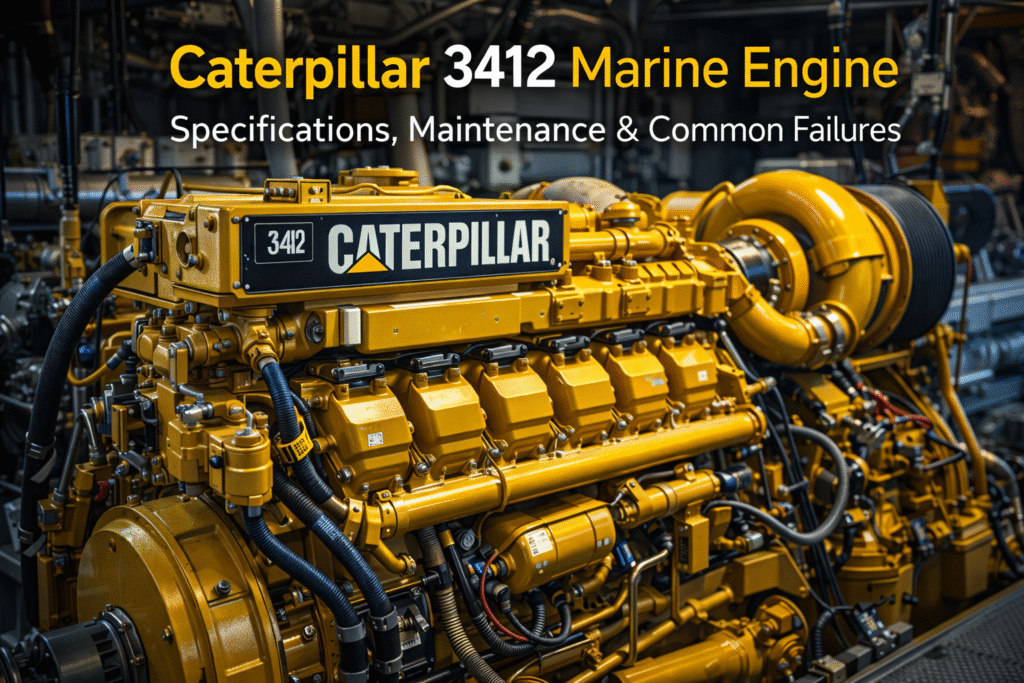
The Caterpillar 3412 marine engine is one of the most widely used high-power diesel engines in commercial, offshore, and defense vessels. Known for its reliability and high torque output, the 3412 has powered tugs, patrol vessels, offshore support ships, and workboats across the world for decades. However, long service life depends heavily on correct operation, timely maintenance, and proper overhaul practices. From a marine engineering perspective, understanding the technical characteristics and known failure patterns of the CAT 3412 is critical for preventing downtime and extending engine life. At NASS Engineering Services Pvt. Ltd., we regularly service, overhaul, and support CAT 3412 engines in demanding marine environments. Overview of the Caterpillar 3412 Marine Engine The CAT 3412 is a 12-cylinder, V-configuration, four-stroke diesel engine designed for continuous marine duty. It is commonly used where high power density and durability are required. Basic Engine Configuration The engine is known for its strong mid-range torque, which makes it suitable for heavy displacement vessels and maneuver-intensive operations. Typical Applications of CAT 3412 Marine Engines CAT 3412 engines are commonly found in: These applications expose the engine to variable loads, frequent speed changes, and long operating hours. Key Technical Strengths of the CAT 3412 From an engineering standpoint, the 3412 gained popularity because of several design advantages. High Torque Output The V12 configuration delivers strong torque at lower RPM, which is ideal for propulsion duties. Robust Block and Crankshaft Design Heavy-duty construction allows the engine to withstand continuous marine loads. Serviceability Modular design makes maintenance and overhaul relatively straightforward compared to many modern engines. Global Parts Availability Spare parts and technical support are widely available, making lifecycle maintenance manageable. Recommended Maintenance Practices for CAT 3412 Proper maintenance is the single most important factor in extending the service life of a CAT 3412 marine engine. Routine Maintenance Neglecting basic service routines is the most common cause of premature failure. Top Overhaul Requirements A top overhaul typically includes: Top overhauls help restore combustion efficiency and prevent deeper mechanical damage. Major Overhaul Requirements A major overhaul involves: Major overhauls should always follow OEM specifications and documented tolerances. Common Failure Points in CAT 3412 Marine Engines Despite its reliability, the CAT 3412 has known failure patterns when maintenance is delayed or operating conditions are poor. Fuel Injector and Fuel Pump Wear Why it happens Symptoms Fuel injection issues directly affect combustion efficiency and engine life. Cooling System Failures Why it happens Symptoms Overheating accelerates oil breakdown and bearing wear. Bearing and Lubrication Failures Why it happens Symptoms Lubrication failure is one of the costliest and most destructive failure modes. Turbocharger Issues Why it happens Symptoms Turbocharger health is directly linked to engine performance. Vibration and Misalignment Problems Why it happens Symptoms Alignment errors often originate outside the engine but cause internal damage over time. Operating Practices That Extend Engine Life From marine research and field experience, the following practices significantly improve reliability. Engines fail faster due to poor operation than due to design limitations. Spare Parts and Component Quality Considerations Using incorrect or sub-standard spare parts introduces: CAT 3412 engines require precision-manufactured components to maintain compression, lubrication integrity, and fuel efficiency. When Should a CAT 3412 Be Overhauled Typical indicators include: Delaying overhaul after these signs appear significantly increases repair costs. How NASS Engineering Supports CAT 3412 Engines NASS Engineering Services Pvt. Ltd. provides: Our teams follow structured procedures backed by ISO-certified quality systems. Conclusion The Caterpillar 3412 marine engine remains a powerful and reliable choice when maintained correctly. Most failures are not sudden. They develop gradually through fuel, lubrication, cooling, or alignment issues. With proper servicing, correct operating practices, and timely overhaul, a CAT 3412 can deliver decades of dependable marine service. For professional inspection, overhaul, and long-term support of CAT 3412 engines, NASS Engineering Services Pvt. Ltd. provides proven marine engineering expertise.
Laser Alignment in Marine Systems — Why Precision Matters for Engines & Propulsion
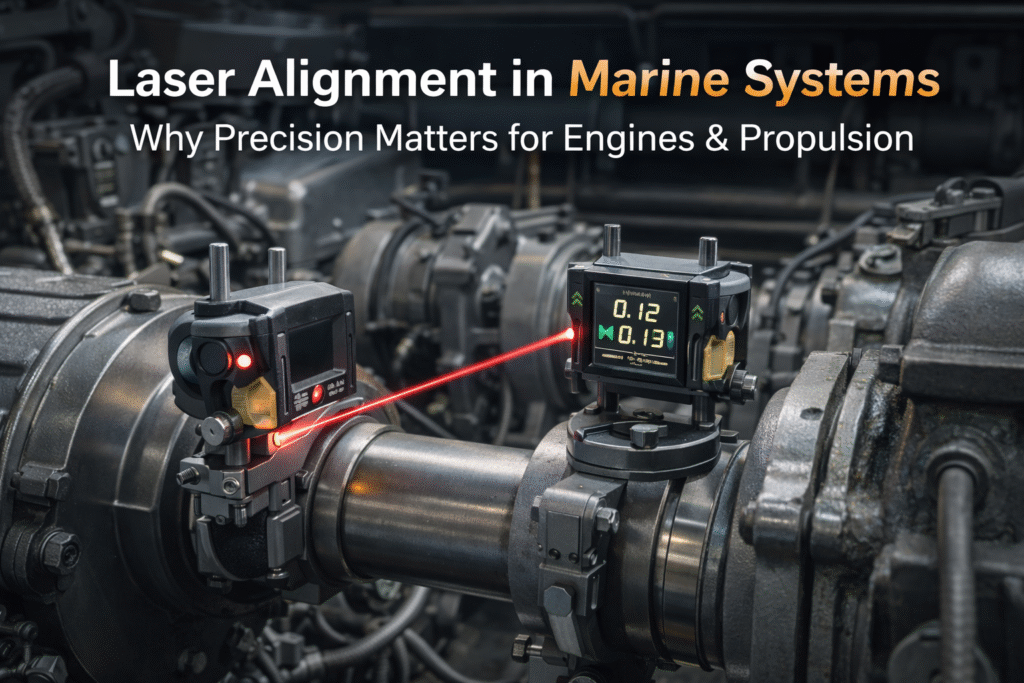
In marine engineering, precision is not optional. Even a small alignment error between an engine, gearbox, and propulsion shaft can lead to excessive vibration, premature bearing failure, seal damage, and significant fuel losses. Laser alignment has become the industry standard for achieving the accuracy required in modern marine engines and propulsion systems. Unlike traditional dial methods, laser alignment delivers measurable, repeatable, and highly precise results. At NASS Engineering Services Pvt. Ltd., laser alignment is a core diagnostic and corrective service used across marine, offshore, power, and defence vessels. What Is Laser Alignment in Marine Engineering? Laser alignment is a precision measurement technique used to align rotating machinery so that their shafts operate on the same centerline under running conditions. Using laser transmitters and sensors, engineers measure: Corrections are calculated digitally, allowing alignment to be achieved within microns. Why Alignment Is Critical in Marine Systems Marine machinery operates under: Even minor misalignment can escalate rapidly. Poor alignment leads to: Correct alignment protects every downstream component. Marine Equipment That Requires Laser Alignment Laser alignment is essential for: • Main Propulsion Engines Ensures smooth power transfer from engine to gearbox. • Gearboxes Prevents uneven gear loading and tooth wear. • Propulsion Shafts Reduces shaft bending, bearing overload, and seal failure. • Thrusters (Bow & Azimuth) Maintains gear and bearing life under heavy maneuvering loads. • Waterjet Drive Lines Ensures pump efficiency and vibration control. • Generator Sets Improves reliability and reduces alternator bearing wear. Types of Misalignment Found in Marine Vessels 1. Angular Misalignment Shafts meet at an angle. Effects: 2. Parallel (Offset) Misalignment Shafts are parallel but not collinear. Effects: 3. Combined Misalignment Most common in marine vessels. Effects: Laser alignment detects all three accurately. Why Traditional Alignment Methods Fall Short Dial gauge alignment has been used for decades, but it has limitations: Factor Dial Gauge Laser Alignment Accuracy Moderate Very high Setup time Long Fast Thermal compensation ❌ No ✅ Yes Hull deformation allowance ❌ No ✅ Yes Repeatability Low High Documentation Manual Digital Modern marine systems demand laser precision. How Laser Alignment Is Performed Onboard 1. Initial Condition Check Engine mounts, foundations, couplings, and bolts are inspected. 2. Laser Setup Laser transmitters and sensors are mounted on shafts or coupling hubs. 3. Measurement & Data Capture Readings are taken at multiple shaft positions to calculate misalignment. 4. Thermal Growth Compensation Marine engines expand when operating. Laser systems compensate for this factor. 5. Correction & Adjustment Shims and position adjustments are applied as per calculated values. 6. Final Verification Post-alignment measurements confirm accuracy and stability. Benefits of Laser Alignment in Marine Operations • Reduced Vibration Proper alignment lowers vibration at the source. • Extended Bearing & Seal Life Correct load distribution prevents premature failures. • Improved Fuel Efficiency Reduced mechanical losses improve energy transfer. • Lower Maintenance Costs Fewer breakdowns and emergency repairs. • Higher Equipment Availability Reliable machinery means less downtime. Laser Alignment vs Vibration Analysis — How They Work Together Together, they form the foundation of predictive maintenance. When Should Laser Alignment Be Performed? Marine research and industry best practices recommend laser alignment: Skipping alignment is one of the most common causes of repeat failures. Common Alignment Mistakes Seen in Marine Vessels Experienced engineers prevent these errors. How NASS Engineering Delivers Precision Alignment NASS Engineering combines: Our alignment services support engines, gearboxes, thrusters, waterjets, and auxiliary machinery. Real Impact for Vessel Owners Proper laser alignment results in: For offshore and defence vessels, this precision is mission-critical. Conclusion — Alignment Precision Protects Your Assets Laser alignment is not just a maintenance task — it is a reliability strategy.By ensuring precise shaft alignment, marine operators protect engines, propulsion systems, and gearboxes from avoidable damage. With expert diagnostics and precision alignment services, NASS Engineering Services Pvt. Ltd. helps vessels operate efficiently, safely, and reliably across demanding marine environments.
How Vibration Analysis Extends the Life of Marine Engines and Propulsion Systems
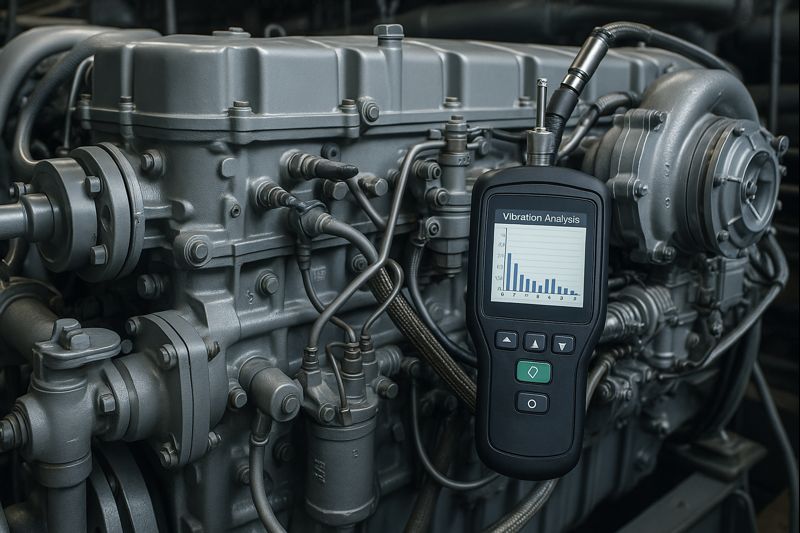
In modern marine engineering, failures rarely happen without warning.Most mechanical breakdowns begin as small, measurable changes in vibration patterns long before visible damage occurs. Vibration analysis is one of the most powerful diagnostic tools used today to detect early-stage faults in marine engines, gearboxes, shafts, thrusters, and propulsion systems. When applied correctly, it allows operators to fix problems before they become failures. At NASS Engineering Services Pvt. Ltd., vibration analysis is a core part of our predictive maintenance approach for marine, offshore, power, and defence vessels. What Is Vibration Analysis in Marine Engineering? Vibration analysis is the process of measuring and interpreting mechanical vibrations generated by rotating and reciprocating equipment. Every machine vibrates.The pattern, frequency, and amplitude of vibration reveal the condition of internal components. By analyzing these signals, engineers can identify: This makes vibration analysis a non-invasive, real-time health check for marine machinery. Why Vibration Matters in Marine Systems Marine engines and propulsion systems operate under: These conditions accelerate wear. Unchecked vibration leads to: Controlling vibration directly improves reliability and efficiency. Key Marine Equipment That Requires Vibration Monitoring Vibration analysis is especially critical for: • Marine Diesel Engines Detects imbalance, combustion issues, and crankshaft problems. • Gearboxes Identifies gear mesh faults, misalignment, and bearing wear. • Propulsion Shafts Detects bent shafts, misalignment, and coupling issues. • Thrusters (Bow & Azimuth) Identifies bearing wear, seal damage, and gear defects. • Waterjet Systems Detects pump imbalance and cavitation-related issues. • Turbochargers Identifies rotor imbalance and bearing degradation. Common Marine Faults Detected Through Vibration Analysis 1. Shaft Misalignment One of the most common and destructive issues. Symptoms detected: Misalignment accelerates bearing and seal failure if left uncorrected. 2. Rotational Imbalance Occurs due to uneven mass distribution. Detected by: Balancing corrects this before damage spreads. 3. Bearing Wear and Failure Bearings fail gradually and predictably. Vibration analysis detects: This allows replacement before seizure occurs. 4. Gear Defects Gear wear is common in propulsion gearboxes and thrusters. Detected faults include: Early detection prevents catastrophic gearbox failure. 5. Structural Looseness Loose mounts and foundations amplify vibration. Consequences: Vibration trends expose these issues early. How Vibration Analysis Works in Practice A standard vibration monitoring process includes: 1. Data Collection Sensors measure vibration in: Measurements are taken at defined machine locations. 2. Frequency Analysis Signals are converted into frequency spectra to identify fault sources based on known mechanical frequencies. 3. Trend Monitoring Comparing data over time reveals deterioration trends. This is far more valuable than one-time measurements. 4. Diagnosis & Recommendations Experienced marine engineers interpret the data and recommend: Why Vibration Analysis Is Better Than Breakdown Maintenance Breakdown Maintenance Predictive Maintenance (Vibration-Based) Industry data shows predictive maintenance can: Vibration Analysis vs Visual Inspection Aspect Visual Inspection Vibration Analysis Internal faults ❌ Not visible ✅ Detected early Real-time condition ❌ Limited ✅ Continuous Failure prediction ❌ No ✅ Yes Accuracy Low High Vibration analysis detects problems before visual signs appear. When Should Marine Operators Use Vibration Analysis? Vibration monitoring is recommended: Consistent monitoring delivers the best results. How NASS Engineering Uses Vibration Analysis At NASS Engineering, vibration analysis is integrated with: Our engineers combine field data with marine engineering experience to provide accurate diagnostics and practical solutions. Real Benefits for Vessel Owners and Operators Using vibration analysis leads to: For offshore and defence vessels, this reliability is critical. Conclusion — Vibration Analysis Is a Reliability Tool, Not Just a Test Vibration analysis is not about finding faults — it is about preventing failures.When used as part of a predictive maintenance strategy, it transforms how marine systems are maintained. By understanding vibration behavior, marine operators gain control over maintenance schedules, costs, and vessel availability. With deep expertise in marine diagnostics and propulsion systems, NASS Engineering Services Pvt. Ltd. delivers vibration analysis solutions that protect assets and extend service life.
The Science Behind Marine Diesel Engine Failures — How to Prevent Costly Breakdowns
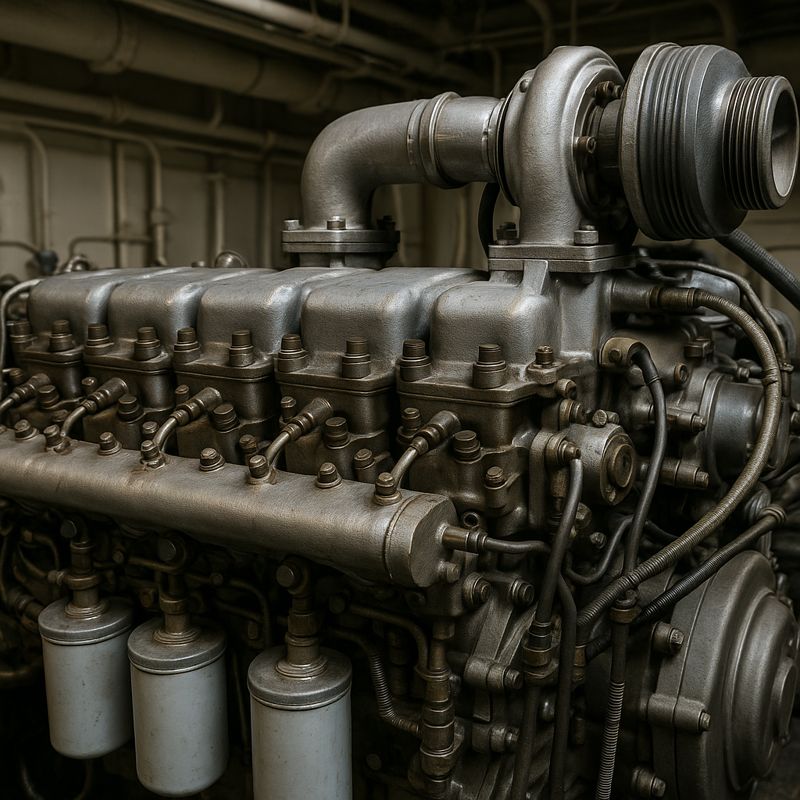
Marine diesel engines are engineered for reliability, heavy loads, and long operational cycles.Yet, even the most robust engines face failures when exposed to harsh marine environments, fluctuating loads, improper maintenance, and fuel quality issues. Understanding why diesel engines fail is the first step toward preventing downtime, costly repairs, and safety risks.As marine engineering specialists, NASS Engineering Services Pvt. Ltd. brings deep technical insight into the root causes of engine failures and how proper diagnostics and maintenance can prevent them. Why Marine Diesel Engines Fail — A Research-Based Perspective Marine engines work under extreme conditions: high temperature, constant vibration, corrosion, continuous load changes, and contaminated operating environments.Most failures are predictable — if the underlying science is understood. Below are the most common scientific and engineering causes of marine diesel engine failures. 1. Fuel Injection System Problems The fuel system is the heart of combustion. When it fails, the entire engine suffers. Why It Happens Impact Fuel injectors and pumps must follow OEM specifications for spray angle, atomization, and injection timing. 2. Lubrication Failure One of the leading causes of catastrophic engine damage. Why It Happens Impact Proper lubrication reduces friction and removes heat — when lubrication fails, engines fail. 3. Overheating & Cooling System Issues Marine engines rely heavily on efficient heat removal. Why It Happens Impact Heat is the primary enemy of engine life. 4. Combustion Chamber Deposits Improper combustion forms carbon deposits on: Why It Happens Impact 5. Air Intake & Turbocharger Problems Marine environments increase the risk of air filter clogging and turbocharger fouling. Common Issues Impact Turbocharger health is directly linked to engine efficiency. 6. Mechanical Wear & Fatigue Over time, critical components wear due to: Vulnerable parts include: If not caught early, these failures become expensive. 7. Poor Quality or Incorrect Spare Parts This is an often-ignored but major cause of failure. Impact of Non-OEM Parts Marine engines require high-precision components — using incorrect parts drastically reduces reliability. 8. Installation & Alignment Errors Improper alignment causes: Laser alignment and vibration analysis are crucial for long-term performance. 9. Corrosion & Saltwater Exposure Saltwater accelerates corrosion in: Corrosion weakens metal, creates leaks, and increases operating temperature. 10. Operator Error & Inadequate Maintenance Human factors account for nearly 40% of marine engine failures (industry studies). Common mistakes: Proper training and monitoring greatly reduce failure rates. How to Prevent Marine Diesel Engine Failure — Expert Recommendations Based on years of engineering and research, here are the most effective preventive measures: 1. Follow OEM Overhaul Intervals Top overhaul • Major overhaul • Running hours checklist 2. Implement Predictive Maintenance Use: Predictive methods detect failures before they occur. 3. Maintain Fuel & Lubrication Quality 4. Keep Cooling Systems Clean 5. Ensure Proper Alignment Laser alignment reduces wear and vibration drastically. 6. Use Genuine Spare Parts OEM-tested components ensure proper tolerances and long-term reliability. 7. Train Crew & Enforce SOPs Human error prevention saves significant downtime. Why NASS Engineering Is a Trusted Name in Engine Overhaul & Diagnostics NASS provides: With a technically skilled and globally deployable engineering team, we ensure your engines operate at peak performance. Conclusion — Understanding Failure Science Improves Reliability Marine diesel engine failures rarely happen without warning.By understanding the science behind engine wear, combustion quality, lubrication, and component fatigue, operators can take proactive steps to avoid breakdowns and extend engine life. With expert servicing, diagnostics, and overhaul support, NASS Engineering Services Pvt. Ltd. helps vessels operate safely, efficiently, and reliably across global waters.
Understanding Waterjet Propulsion — Advantages, Maintenance & Applications
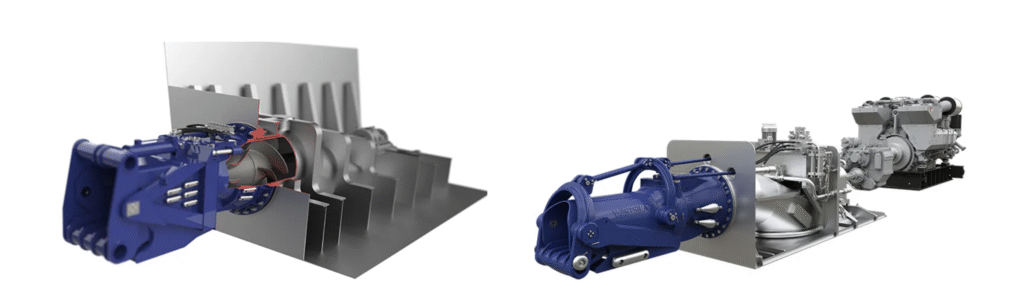
Waterjet propulsion has become one of the most advanced and efficient propulsion methods in modern marine engineering. Known for its high maneuverability, shallow-water capability, and safety advantages, waterjets are widely used across offshore vessels, patrol craft, high-speed ferries, and specialized defence vessels. As marine engineering specialists, NASS Engineering Services Pvt. Ltd. brings extensive expertise in waterjet overhaul, inspection, component replacement, and performance optimization for vessels operating in challenging environments. This blog explores how waterjet propulsion works, its advantages, maintenance requirements, and real-world applications across marine and offshore sectors. How Waterjet Propulsion Works Unlike conventional propellers, waterjets do not use exposed blades. Instead, they generate thrust by drawing water into a pump inside the vessel and expelling it through a high-velocity nozzle. The basic process involves: 1. Water Intake Water enters through an intake duct positioned at the hull bottom. 2. Pump Impeller Rotation A high-speed impeller accelerates the water. 3. Pressurized Jet Discharge The pressurized water exits through a nozzle, producing thrust. 4. Steering & Reverse Control Directional thrust allows the vessel to move forward, reverse, or turn without a rudder. This closed-loop design makes waterjet propulsion safer and far more maneuverable than traditional propeller systems. Advantages of Waterjet Propulsion Waterjets offer multiple operational benefits, especially for high-speed and shallow-water vessels. 1. Exceptional Maneuverability Waterjets can: This makes them ideal for patrol craft, rescue boats, and offshore support vessels. 2. Safer Operation With no exposed propellers, waterjets significantly reduce risks of: This is a major advantage for defence, rescue, and passenger vessels. 3. High-Speed Performance Waterjets are most efficient at higher speeds and offer: They are widely used in fast-response vessels that demand superior agility. 4. Shallow Water Capability Because waterjets do not extend below the hull: This is crucial for coastal defence, offshore operations, and riverine transport. 5. Reduced Vibration & Noise The enclosed pump system produces: This is an important factor for naval and luxury vessels. Common Waterjet Components That Require Maintenance Although waterjets are robust, they operate under extreme hydrodynamic forces and require periodic servicing. Key components include: • Impeller & Pump Assembly Wear from debris, sediment, or cavitation must be managed through regular inspection. • Nozzle & Steering Unit Hydraulic actuators and steering vanes must be checked for alignment and wear. • Intake Duct Clogging from debris or marine growth reduces efficiency and increases pump load. • Shaft Seals & Bearings Proper lubrication and seal integrity are essential to prevent water ingress. • Control System Electronic and hydraulic controls require calibration for smooth thrust management. Routine checks help avoid thrust loss, vibration issues, and reduced maneuverability. Waterjet Propulsion — Maintenance Best Practices For optimal performance and long service life, marine research and engineering experience suggest the following maintenance practices: 1. Impeller Clearance Inspection Impeller-to-wear-ring clearances directly affect jet pressure.Incorrect clearance leads to: 2. Intake Grate Cleaning Regular removal of: ensures proper water flow and prevents pump overload. 3. Steering & Reverse Bucket Check Hydraulic units must be inspected for: Any stiffness or delay impacts vessel maneuverability. 4. Seal Replacement Shaft seals face constant stress and must be replaced at recommended intervals to prevent catastrophic water ingress. 5. Wear Ring & Nozzle Inspection Cavitation erosion is common in waterjets.Regular monitoring prevents performance degradation and vibration problems. 6. Vibration & Alignment Checks Though waterjets produce less vibration than propellers, misalignment in the pump shaft or drive line can create operational instability. Applications of Waterjet Propulsion in Marine & Offshore Sectors Waterjets are used in a variety of vessels due to their speed, safety, and maneuverability. Some of the most common applications include: 1. Defence & Patrol Craft Coast Guard and Navy vessels use waterjets for: 2. Offshore Crew Transfer Vessels (CTVs) Waterjets provide: Ideal for offshore wind, oil & gas support. 3. High-Speed Ferries Passenger ferries benefit from: 4. Rescue & Emergency Response Boats Instant reverse and precise control allow safe navigation near people or obstacles. 5. Luxury Yachts Their low noise and vibration make waterjets the preferred choice for comfort-oriented vessels. Signs Your Waterjet System Needs Immediate Attention Operators should schedule inspection if they notice: Timely maintenance prevents major failures and costly downtime. How NASS Engineering Supports Waterjet Propulsion Systems With specialized expertise across marine propulsion, NASS Engineering Services Pvt. Ltd. offers: Our engineers follow strict quality standards and ensure that every waterjet system operates at peak efficiency. Conclusion — Why Waterjet Propulsion Matters Waterjet propulsion represents a highly efficient, safe, and maneuverable solution for modern marine operations. With proper maintenance and expert servicing, waterjets deliver exceptional performance across defence, offshore, commercial, and high-speed vessels. For reliable waterjet overhaul and propulsion system support, NASS Engineering provides proven expertise backed by years of marine engineering experience.
Inside Dry Docking: How Professional Refit & Overhaul Keep Vessels Sea-Ready
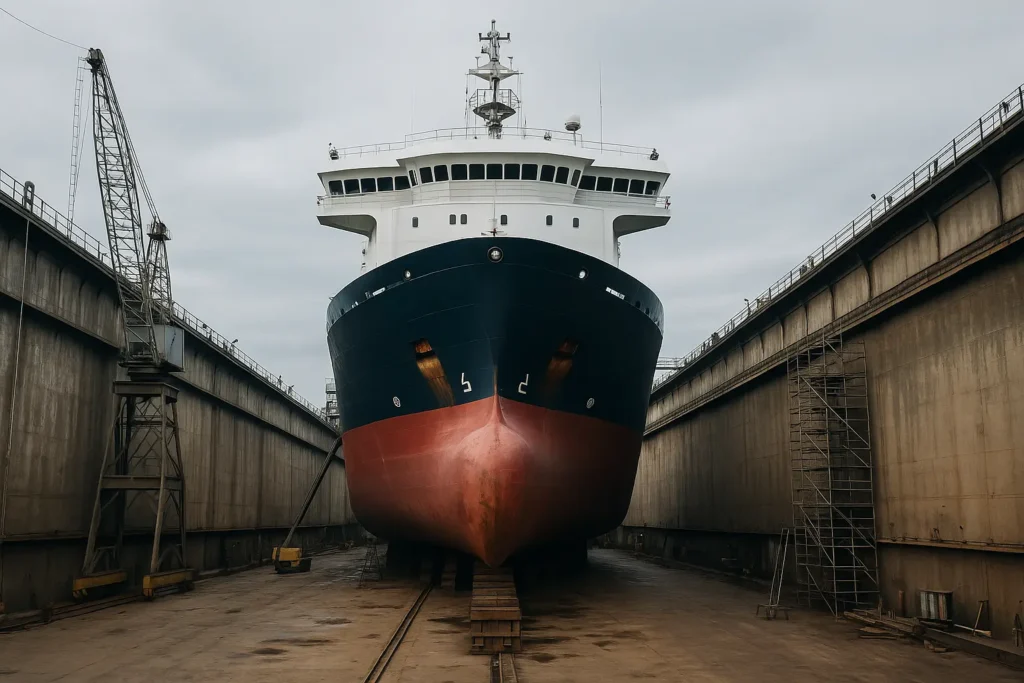
Dry docking is one of the most critical phases in a vessel’s lifecycle. It’s the only time a ship is completely accessible for structural inspection, underwater repairs, hull treatment, propulsion maintenance, and class compliance checks.From a marine engineering perspective, dry docking is not just routine maintenance — it is risk prevention, performance restoration, and operational cost control. At NASS Engineering Services Pvt. Ltd., we bring years of practical experience in marine engineering, vessel refits, propulsion overhaul, and dry-dock project execution across offshore, defence, and commercial fleets. What Is Dry Docking and Why Is It Essential? Dry docking involves taking a vessel out of water using a dry dock, slipway, or floating dock, allowing marine engineers and surveyors to perform critical underwater inspections and repair work. Dry docking is essential because it helps: Most international regulators and classification societies (IRS, DNV, ABS, LR, BV) mandate dry docking every 2–5 years, depending on vessel type. How Dry Docking Works: Step-by-Step Breakdown As marine engineering specialists, NASS follows globally accepted procedures to ensure safety and precision during dry docking. 1. Pre-Docking Inspection & Planning Before the vessel enters dock, engineers examine: A detailed docking plan is prepared covering equipment, manpower, timelines, and class survey requirements. 2. Docking the Vessel Once aligned over the keel blocks, the water is pumped out gradually. During lowering: This phase demands strict engineering oversight to avoid structural misalignment. 3. Hull Inspection & Cleaning Marine fouling is a major cause of fuel inefficiency. Key tasks include: A clean hull can improve fuel efficiency by 6–20%, depending on fouling severity. 4. Propulsion System Overhaul This is the core area where NASS specializes. During dry docking, propulsion systems such as propellers, CPP/FPP units, shafts, stern-tubes, and thrusters are completely accessible. Typical tasks include: Proper propulsion maintenance reduces vibration, improves fuel efficiency, and enhances maneuverability. 5. Hull Treatment & Coating After cleaning and surface preparation, the hull is treated with: Correct coating selection prevents corrosion and reduces long-term maintenance costs. 6. Structural & Mechanical Repairs Dry dock allows access to critical systems including: Any deformed, corroded, or worn components are repaired or replaced. 7. Class Surveys & Testing Vessels must comply with class society requirements. During dry docking, surveyors perform checks such as: Proper documentation is provided for classification renewal. 8. Re-Floating & Sea Trials After all works are completed: This ensures the ship is ready for safe operational service. Why Dry Docking Should Never Be Delayed Ignoring dry docking schedules leads to: In several industry studies, vessels that skip scheduled dry docking face up to 30% higher long-term maintenance costs. How NASS Engineering Supports Complete Dry Dock Projects With extensive experience in commercial, offshore, and defence vessels, NASS provides: • Complete Dry Dock Project Execution End-to-end management from arrival to sea trials. • Propulsion System Overhaul CPP/FPP, shafts, gearboxes, thrusters, and waterjets. • Structural & Mechanical Repairs Hull work, steel renewal, piping, rudder systems, and underwater fittings. • Electrical & Equipment Upgrades Navigation, fire systems, automation, HVAC, and power systems. • Coating & Anti-Fouling Solutions High-performance marine coatings for long-term hull protection. • Compliance Support Coordination with Class surveyors, documentation, and certification support. Best Practices for a Successful Dry Dock As marine research and engineering experts, we recommend: 1. Always conduct pre-dock inspection It ensures accurate planning and reduces delays. 2. Assign certified specialists Propulsion and hull work require trained engineers. 3. Use genuine parts Propeller seals, bearings, shafts, and blades must be OEM-grade. 4. Monitor dock block alignment Incorrect alignment can cause hull distortion. 5. Maintain a performance log Track vibration, thrust, and fuel efficiency post-dry dock. Conclusion — Dry Docking Protects Your Vessel’s Future Dry docking is not just mandatory — it is essential for ensuring: With the right engineering expertise, vessels achieve peak performance and reliability after every dry dock cycle. For trusted, certified, and technically advanced dry docking support, NASS Engineering Services Pvt. Ltd. stands as a proven marine engineering partner.
